
Renter Guides
HannahJuly 14, 20264 min read
The short version
If you have ever seen an apartment listing that mentions MFTE and wondered what it meant, this is it: one of the most useful and least understood ways to rent in Seattle for less than the market rate. It is not a lottery and it is not subsidised housing in the way people assume. It is a straightforward trade the city makes with building owners, and renters are the beneficiaries.
MFTE, the Multifamily Tax Exemption, gives owners of eligible apartment buildings a property tax break in exchange for renting 20 to 25 percent of the homes at restricted, below-market rents to income-qualified households. The city gets affordable units; the owner gets a tax exemption; the renter gets a lower rent.
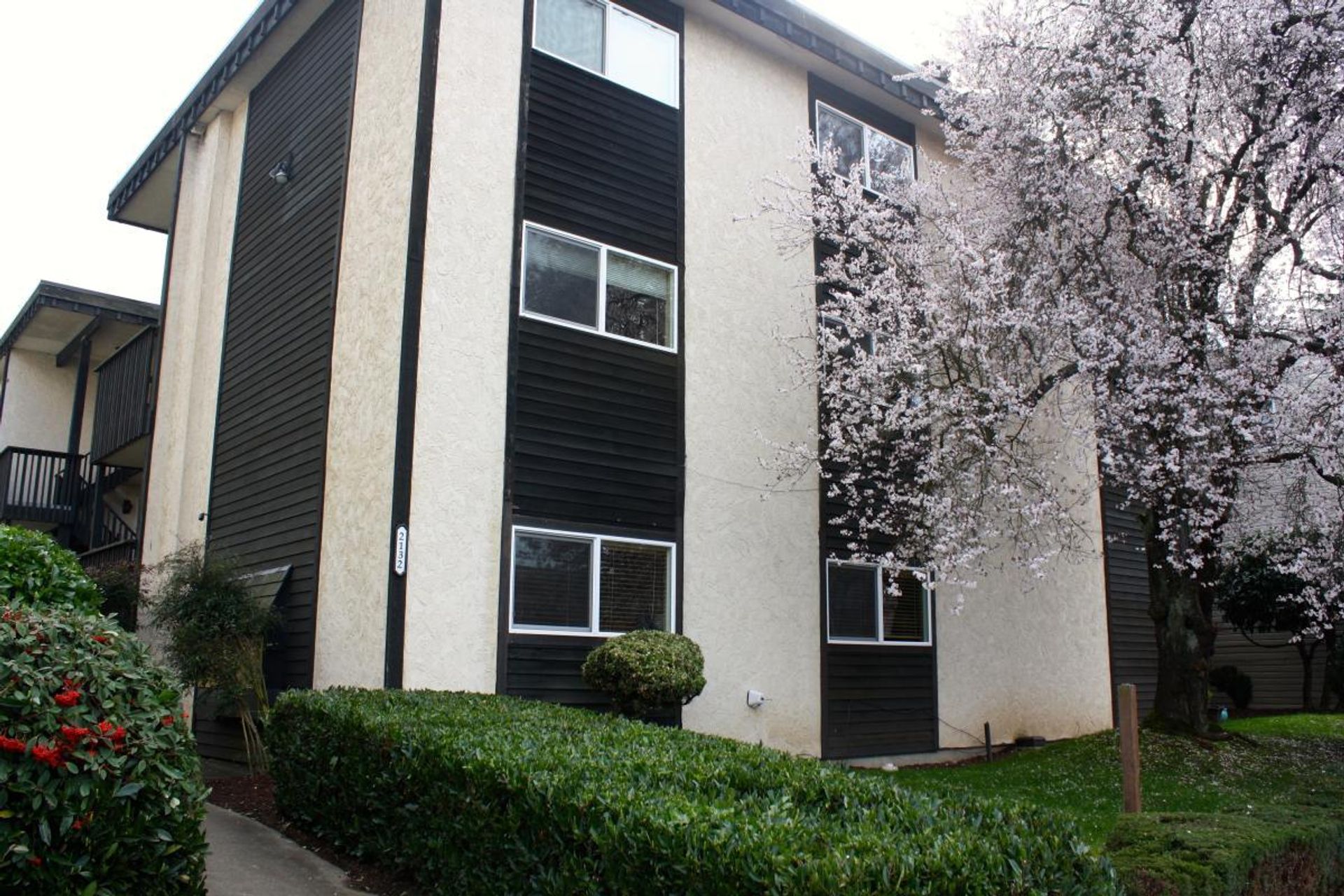
The key thing to understand is that MFTE units sit inside ordinary market-rate buildings. You are not applying for a separate category of housing in a separate place. You are applying for a specific income-restricted unit in a normal apartment building, often identical to the market-rate units around it, at a rent the owner has agreed to cap in return for the tax break.
You qualify if your household income falls at or below the limit for your household size and the specific unit’s income designation. Seattle’s Program 7, effective November 2025, opened MFTE to middle-income renters earning up to 90 percent of area median income, a higher ceiling than earlier tiers, so more renters are eligible than many assume.

This is the misconception worth clearing up: MFTE is not only for very low incomes. With Program 7 reaching up to 90 percent of area median income, it now covers a lot of working Seattle renters, the people who earn too much for deeply subsidised housing but feel every dollar of market rent. Income limits change by household size and by year, so the figure that matters is the current one for your situation, confirmed against the official limits.
MFTE rent limits are calculated at roughly 30 percent of the qualifying income for the unit, and the cap includes basic utilities and mandatory fees. That is what keeps an MFTE unit below the market rent of the identical unit next door.
Because the rent is pegged to income rather than to the market, an MFTE unit can be meaningfully cheaper than its market-rate neighbour, and the gap tends to widen as market rents rise. The tradeoff is the income limit and the paperwork, which is a fair exchange for a lower rent in a competitive city.
Looking for an MFTE unit right now?
Availability changes constantly and MFTE units are limited. The fastest way to see what is currently open across the buildings we manage is to browse our live availability and filter from there.
An income-restricted unit inside a market-rate building whose owner receives a property tax exemption in exchange for renting 20 to 25 percent of the homes at below-market rents to qualified households.
Households whose income falls at or below the limit for their size and the unit’s designation. Seattle’s Program 7, effective November 2025, extended eligibility to renters earning up to 90 percent of area median income.
Find a listing that offers MFTE units, confirm you meet the income limit, and submit a Resident Eligibility Application to that property. The owner verifies your income when offering the unit.
No. With Program 7 reaching up to 90 percent of area median income, MFTE now covers many middle-income working renters, not only the lowest income brackets.
Looking for your next apartment?
Pacific Crest Real Estate lists hundreds of homes across Seattle and the Puget Sound region, updated as they come available.
Verified as of July 2026. This is general information, not legal advice. Rules and figures change; confirm your specific situation before acting.