Menu
Owner Insights
HannahOctober 21, 202616 min read
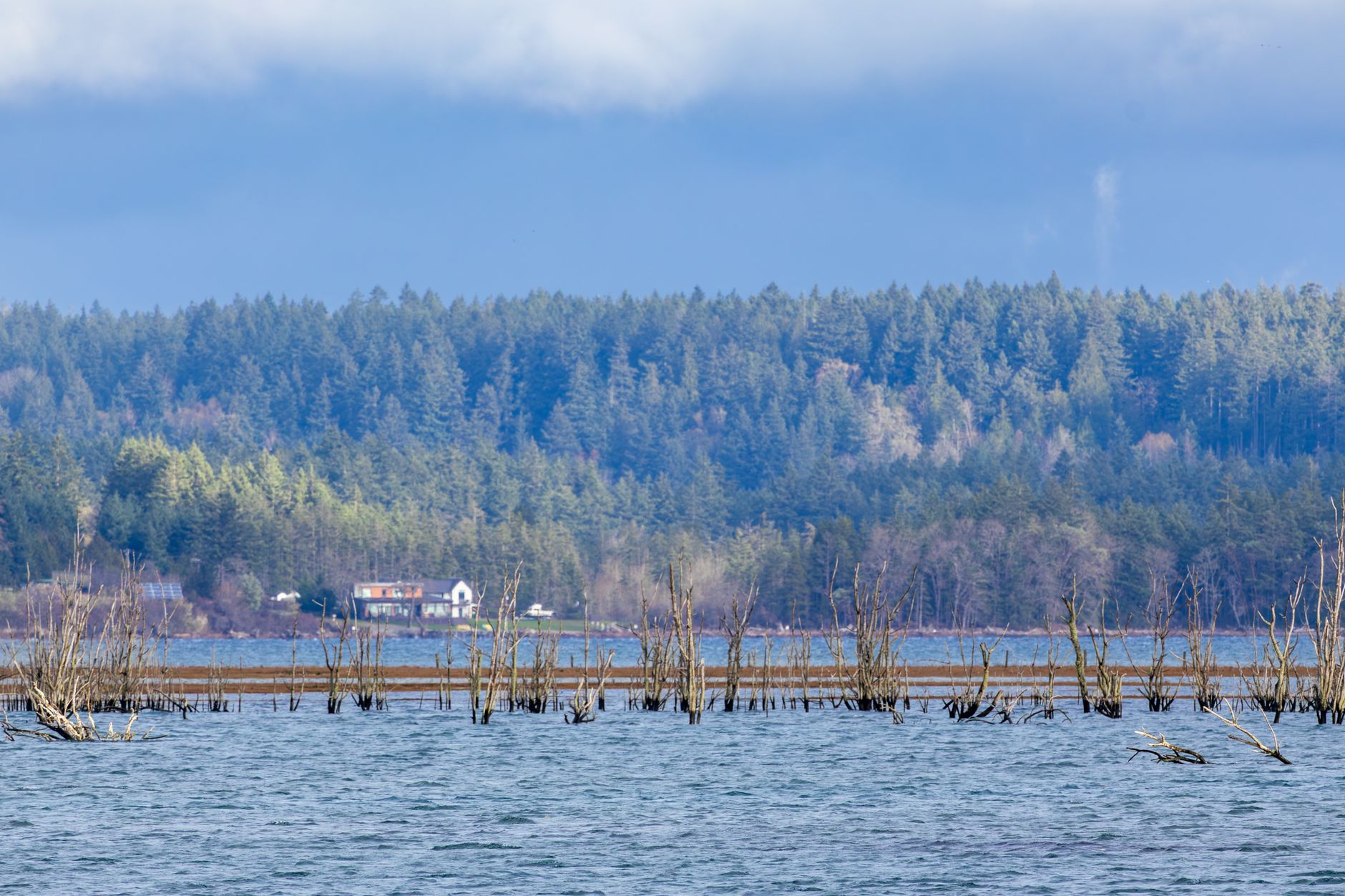
If you own a rental just north of the Seattle city line, property management in Shoreline, WA works a little differently than you might expect. Many owners assume Shoreline follows Seattle’s ordinances, or that only state law applies. Neither is right. Shoreline adopted its own tenant protections in December 2023, and they sit on top of Washington’s Residential Landlord-Tenant Act.
Shoreline has also changed quickly. Two light rail stations opened in August 2024, thousands of new apartments have been built or planned near them, and the population keeps growing. This guide covers the local market, the rules that apply, how to time a 2027 rent increase, and how to decide whether to manage the property yourself or hand it to a professional.
The short version
Shoreline is its own city, so Seattle ordinances such as RRIO registration, the $10 late fee cap and 180-day notice for every rent increase do not apply. Shoreline has its own rules instead: 120 to 180 days' notice for larger increases, late fees capped at 1.5 percent of rent, and move-in costs limited to one month's rent.
Shoreline incorporated in 1995. It sits in King County between Seattle’s northern edge at NE 145th Street and the Snohomish County line, about nine miles north of downtown Seattle. Because it is a separate city, Seattle’s municipal code does not reach it.
Three layers of rules apply to a Shoreline rental. The first is Washington’s Residential Landlord-Tenant Act (RCW 59.18), which covers statewide just cause rules, the 2025 rent stabilization law and a 90-day notice for rent increases. The second is Shoreline Municipal Code Chapter 9.35, the city’s tenant protections. The third is fair housing law, which applies everywhere.
The result is a middle ground: less paperwork than Seattle, but a modest 5 percent increase still needs four months of notice. And the city says tenants have the right to sue their landlord for violations of Chapter 9.35.
Shoreline is growing, and rents are rising steadily rather than sharply. The city had 58,608 residents at the 2020 Census. Washington’s Office of Financial Management estimates 64,710 as of April 1, 2026, an increase of about 10 percent in six years.
RentCafe put Shoreline’s average rent at $2,097 a month on October 1, 2026, up 3.49 percent from $2,026 a year earlier. The same source lists Seattle’s average at $2,254, so Shoreline runs about $157 a month cheaper.
Average rent in Shoreline by unit size
RentCafe, data as of October 1, 2026, dollars per month
People browsing Shoreline WA rentals see a real mix: older single-family homes on generous lots, duplexes and small apartment buildings, newer townhomes, and mid-rise buildings near the light rail stations. The City of Shoreline, citing the 2022 American Community Survey, counts 9,339 renter-occupied homes out of 23,492 occupied homes, or roughly 4 in 10.
For an owner, steady growth means pricing right matters more than pushing the top of the range. Renters can compare your listing with a brand-new building a few blocks away in seconds.
Light rail turned Shoreline into a train commute. Since August 30, 2024, Shoreline South/148th and Shoreline North/185th stations have put riders about 21 and 24 minutes from Westlake. The city also rezoned the land around both stations for apartments, which brought more renters and more new competition at the same time.
Both stations opened with the Lynnwood Link Extension, which carried light rail north from Northgate into Snohomish County. Shoreline South/148th is an elevated station just northeast of the I-5 and NE 145th Street interchange, with a garage of about 500 spaces. Shoreline North/185th sits on the east side of I-5 next to NE 185th Street. In 2025 the two stations averaged 1,535 and 1,311 weekday boardings.
On Sound Transit’s schedule, a 1 Line train from Shoreline South/148th reaches U District in about 11 minutes and Westlake in about 21. From Shoreline North/185th, Westlake is about 24 minutes. Trains run roughly every 8 minutes at peak times. Put those travel times in your listing.
The city planned for this years ahead. It adopted the 185th Street Station Subarea Plan and an area-wide rezone in 2015, phased over time, and rezoned the 148th station area for denser housing as well. By August 2024, The Urbanist counted more than 4,800 homes built or in the pipeline around the two stations, including buildings of 197, 240 and 299 units near 185th and a 228-unit project in North City.
Local insight: competing with the station buildings
New mid-rise buildings near the stations often lease up with move-in specials, and many of them are exempt from the state rent cap for their first 12 years. You will not beat them on finishes or a rooftop deck. Compete on what they rarely offer: a yard, a garage or off-street parking, more square feet, a washer and dryer in the unit, and a landlord who answers quickly.
Shoreline has 14 neighborhoods, and renter demand differs between them. Station areas draw commuters, while neighborhoods near the water draw households who want space and quiet. Here are four owners ask about most.
The northwest corner of the city on Puget Sound. Mostly single-family homes, so rentals here are often houses that appeal to families staying for several years.
The 15th Avenue NE business district closest to the 185th station. Much of Shoreline's new apartment construction is here, so expect more competition and more renters.
Close to the 148th station along 5th Avenue NE, with small local businesses. A good fit for townhomes and small multifamily aimed at train commuters.
Near Aurora Avenue, Echo Lake Park and the Interurban Trail, with RapidRide E Line buses on Aurora. A mix of older apartments and newer small buildings.
Parkwood, near the 148th station area, and Ballinger, in the northeast corner by the county line, round out the list. Families often ask about schools: the Shoreline School District serves the city, with Shorecrest and Shorewood high schools. Keep listing language factual and name the assigned schools. Renters can browse current listings on our Shoreline apartments page.
Shoreline has its own landlord rules, and in a few places they go further than state law. Since Ordinance No. 996 (December 2023), Shoreline requires longer notice for larger rent increases, caps late fees and move-in costs, and requires every fee to be listed in the lease. These rules add to state law rather than replace it. Here is how they compare with Seattle’s.
Shoreline (SMC 9.35 plus state law)
Seattle (city ordinances plus state law)
A practical example: on a $2,097 rent, Shoreline’s late fee cap works out to about $31. In Seattle the same tenant could be charged no more than $10. A Seattle lease template will not fit Shoreline, and a generic Washington lease may fit neither city.
Several state rules apply in both places. These are the ones that shape day-to-day decisions.
| Rule | What it says | Where it comes from |
|---|---|---|
| Rent increase cap | Up to 7 percent plus CPI or 10 percent, whichever is lower. 9.683 percent in 2026 and 10 percent in 2027. | RCW 59.18, WA Commerce |
| First year | No rent increase during the first 12 months of a tenancy. | WA Commerce |
| Notice | At least 90 days’ written notice of an increase, and it cannot take effect before the current term ends. | RCW 59.18.140 |
| Exemptions | Includes units whose first certificate of occupancy was issued 12 or fewer years before the notice, some owner-occupied homes and 2 to 4 unit buildings, and regulated affordable housing. | RCW 59.18.710 |
| Just cause | A listed cause is needed to end or not renew most tenancies. Owner move-in and sale of a single-family home each need at least 90 days’ notice. | RCW 59.18.650 |
Local rules can add to these state minimums, and that is where most owner mistakes happen.
Plan around the longer notice
When Shoreline’s and the state’s notice periods overlap, plan around the longer one. A 5 percent increase that meets the state’s 90 days but not Shoreline’s 120 days exposes you to a tenant claim. Exemptions also differ between laws, so a building that is exempt from the state cap is not automatically exempt from local notice rules. Check with a landlord-tenant attorney before relying on an exemption.
If you manage rentals in both cities, keep a separate lease template and notice calendar for each one. It is the simplest way to avoid applying the wrong rule.
Shoreline rental owners
Pacific Crest Real Estate handles leasing, screening, rent collection, maintenance, reporting and compliance for owners across Seattle, the Eastside and Snohomish County.
Work backward from the effective date. For a covered Shoreline unit in 2027, the increase cannot exceed 10 percent, and anything above 3 percent needs at least 120 days' written notice. For a 5 percent increase starting March 1, 2027, that means delivering notice by November 1, 2026.
The same March 1 increase on a Seattle unit would have needed notice by early September 2026, because Seattle requires 180 days for every increase. Under state law alone, the deadline would be December 1, 2026. Shoreline sits in between, and only once the increase passes 3 percent. If you plan to mail the notice, build in a few extra days so it arrives well before the deadline.
Washington’s Department of Commerce sets the cap each year using Seattle-area inflation. It announced 9.683 percent for 2026 and 10 percent for 2027. No increase is allowed in the first 12 months of a tenancy, and the increase cannot take effect before the current lease term ends. Our rent increase guide for owners covers the state rules in more depth.
Where the two 10 percent lines meet
In 2027 the state cap equals 10 percent, which is also where Shoreline’s 180-day notice tier begins. For a covered unit, the largest allowed increase therefore needs six months of notice. For a newer building that is exempt from the state cap, an increase of 10 percent or more still triggers Shoreline’s 180-day tier.
In Shoreline, the size of the increase decides how early you have to send the notice.
A property manager handles the work between the owner and the tenant: pricing and marketing the unit, screening applicants, writing a compliant lease, collecting rent, coordinating repairs, sending legal notices on time and reporting the numbers. What that looks like depends on the property.
Single-family homes are a large share of Shoreline rentals, and their tenants often stay for years. The work is mostly about protecting the house and the relationship.
Duplexes, triplexes and small apartment buildings carry the most compliance exposure, because one template mistake repeats across every unit.
Newer buildings near the 148th and 185th stations compete with each other, so leasing speed and resident experience drive the results.
Pacific Crest Real Estate manages more than 4,800 residential and multifamily units across Seattle, the Eastside, Snohomish County and the wider Puget Sound region, and Shoreline sits right between our Seattle and Snohomish County portfolios. You can see the full scope of our property management services and how we approach inspections and maintenance.
At Shoreline’s average rent of $2,097, each vacant day costs about $69 in lost rent, so a 30-day vacancy costs roughly $2,070 before utilities, cleaning and repairs. Cutting a week of vacancy usually beats adding $50 to the asking rent.
Vacancy cost calculator
Enter your monthly rent, expected days vacant and number of units.
Estimates lost rent only. Add utilities, cleaning, repairs and marketing for the full cost of a turnover. Shoreline's average rent was $2,097 in October 2026 (RentCafe).
Timing matters too. A lease that ends in late December lands during the holidays, when many households put off a move. If a tenant is renewing this fall, consider a lease term that ends in late spring or summer instead, so your next vacancy falls in a busier season.
Fall is also the time to prepare for rain, wind storms and cold snaps. A clogged gutter or a furnace that fails in January becomes an emergency call and an unhappy tenant.
Pro tip: a fall checklist that prevents winter calls
Hire help when the rental starts costing you more in time, risk or vacancy than a manager would cost in fees. For many Shoreline owners, that point arrives sooner than expected because of the local notice tiers and fee rules.
Common signs include:
Management fees in the Seattle area vary by property type, unit count and scope of service. Our guide to property management costs in Seattle explains the common fee structures, and our article on when to hire a property manager walks through the decision in more detail.
No. RRIO is a City of Seattle program and applies to rentals inside Seattle city limits. Shoreline is a separate city with its own municipal code. Shoreline owners still follow state law and Shoreline's Chapter 9.35 tenant protections, which cover rent increase notice, late fees, move-in costs and fees listed in the lease.
It depends on the size of the increase. Under Shoreline's rules, increases above 3 percent and below 10 percent need at least 120 days' written notice, and increases of 10 percent or more need at least 180 days. Smaller increases follow the state minimum of 90 days. The increase also cannot take effect before the current lease term ends.
For units covered by Washington's rent stabilization law, the 2027 maximum is 10 percent, as announced by the Department of Commerce. The 2026 limit is 9.683 percent. Some units are exempt, including buildings whose first certificate of occupancy was issued 12 or fewer years before the notice. Shoreline's notice tiers still apply to the size of any increase.
Yes, but it cannot exceed 1.5 percent of the tenant's monthly rent, and it must be listed in the rental agreement. On a $2,097 rent, that is about $31. Shoreline also bans fees for issuing notices, such as a pay or vacate notice. Seattle's separate $10 cap applies only inside Seattle.
Move-in fees and the security deposit combined cannot exceed one month's rent in Shoreline. Tenants have the right to pay these amounts in installments, and the number of installments depends on the length of the lease. Build the installment option into your lease and move-in paperwork so tenants know it is available.
Often, yes, if you live away from the area, have limited time or are unsure about Shoreline's notice tiers and fee rules. A manager handles pricing, screening, maintenance and legal notices, which reduces vacancy and compliance risk. If you live nearby, know the rules and enjoy the work, self-managing a single home can work well.
Own a rental in Shoreline?
Tell us about your property and we will put together a management plan that fits Shoreline's rules and your goals. Call (206) 812-9150 or request a quote online.
Sources
Verified as of October 2026. This is general information, not legal advice. Shoreline, Seattle and Washington State rules change, and exemptions depend on the specific property and tenancy. Confirm current requirements with the City of Shoreline, the Washington Department of Commerce or a landlord-tenant attorney before sending notices or changing lease terms.