
How to Reduce Tenant Turnover in Seattle (And Why It Matters More Now)
With rent increases capped, keeping good residents is where Seattle owners protect returns. The real cost of turnover, and the practical ways to reduce it.

With rent increases capped, keeping good residents is where Seattle owners protect returns. The real cost of turnover, and the practical ways to reduce it.
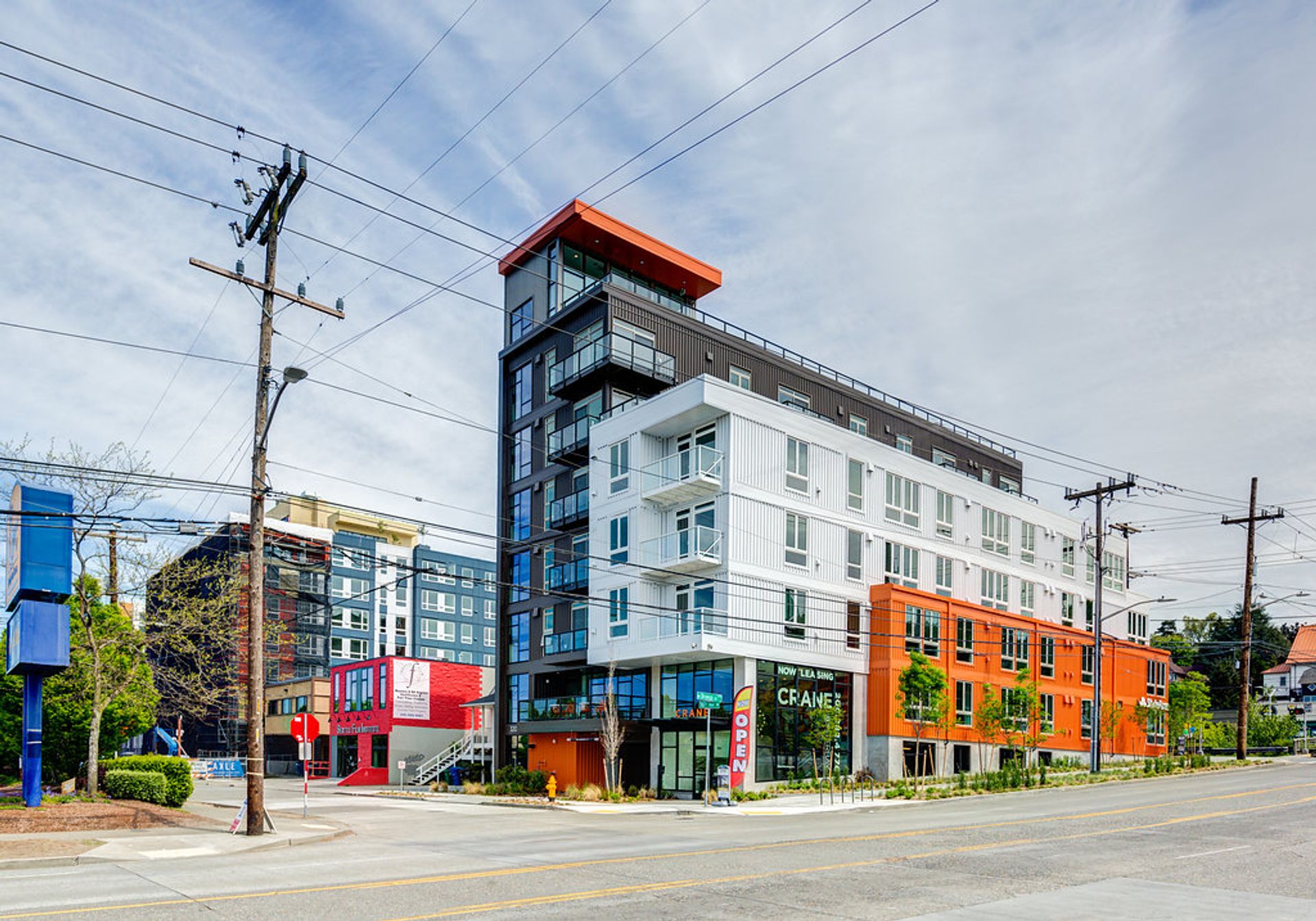
Should a Seattle owner rent long-term or short-term? A clear look at the income, the workload, the regulation and the risk behind each, and why the answer is rarely the headline number.
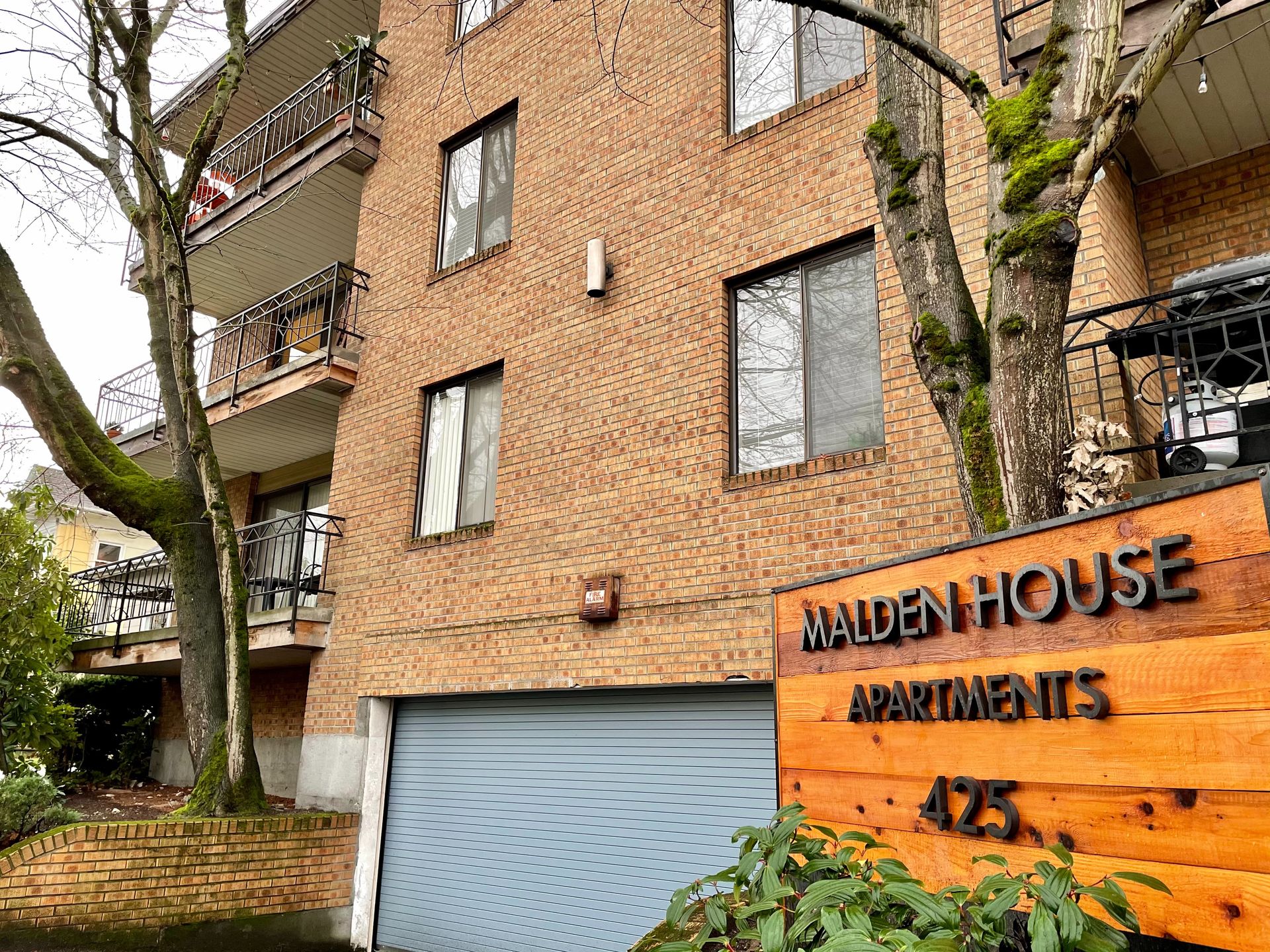
DIY landlording or hire a manager? A Seattle owner’s guide to the point where self-management stops paying, and the signs it is time to hand over the keys.

West Seattle is its own rental submarket, from Alki to the Junction. What owners should know about demand, pricing and the local factors that shape leasing on the peninsula.
A Seattle owner’s guide to choosing a property manager: the questions that matter, the red flags, and why local regulatory knowledge is no longer optional.
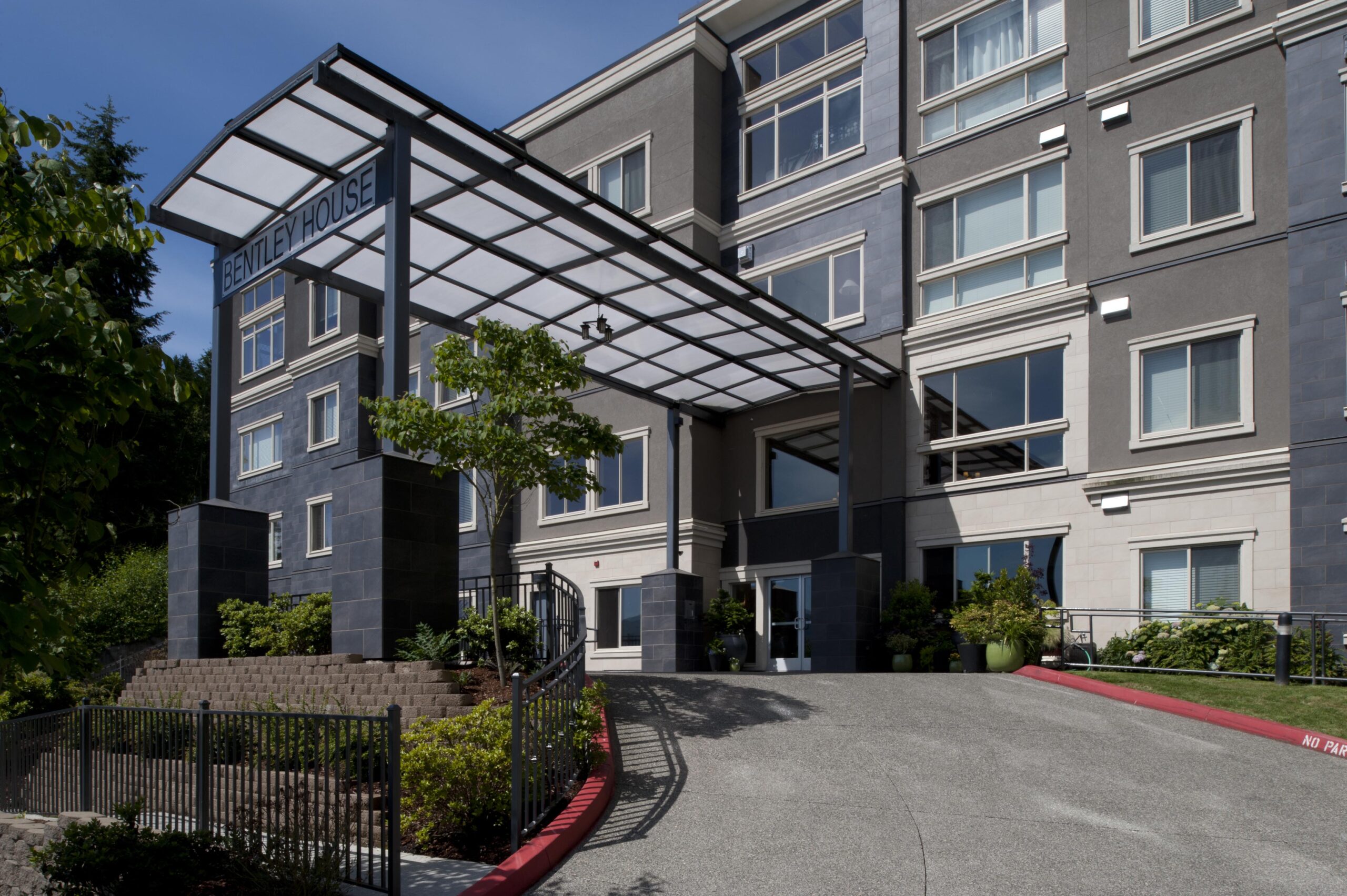
Should a Seattle owner pay for full-service management or buy individual services? A clear comparison of what each covers, who each suits, and the hidden cost of doing part of it yourself.
Seattle property management typically runs 8 to 12 percent of collected rent, plus leasing and renewal fees. Here is what each fee covers, what to watch for, and how to compare.

Washington caps 2026 rent increases at 9.683% and Seattle demands 180 days notice. The cap formula, the first-year freeze, EDRA, exemptions and the penalties, explained for rental property owners.
Managing multi-family residential properties is more than just collecting rent and scheduling maintenance. In a dynamic market like

Seattle continues to capture the attention of real estate investors across the country. With its growing population, booming